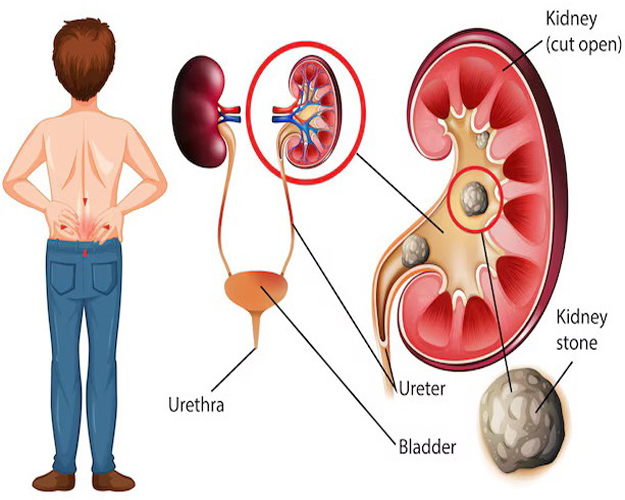
Kidney stones are a common and painful condition that affect many people. If you’ve been diagnosed with kidney stones and your doctor recommends surgery, you may wonder what happens during the procedure. Urology is the medical field that focuses on the urinary system, including the kidneys, bladder, and ureters, and urologists are the specialists who treat kidney stones. In this blog, we’ll explain the basics of urology and what happens during stone surgery.
Kidney stones form when minerals and salts in the urine crystallize into hard stones. While small stones can often pass naturally, larger stones or those causing symptoms like severe pain, infection, or urine blockage may require surgical treatment. Surgery is also considered if stones are recurring or if other treatments haven’t worked.
Urologists use different methods to remove kidney stones, depending on their size and location. Here are the most common types of surgery:
Before surgery, your urologist will perform imaging tests like X-rays or CT scans to locate the stone. The procedure itself is usually done under anesthesia, so you’ll be comfortable and pain-free. After the surgery, you may experience some discomfort or blood in the urine as you pass stone fragments. Your doctor will provide follow-up care instructions to ensure a smooth recovery.
Stone surgery is an effective way to treat kidney stones, especially when other methods fail. If you’re dealing with kidney stones, understanding what happens during surgery can help you feel more prepared. Always consult your urologist for advice on the best treatment for your situation.

 WhatsApp Us (24/7)